ResearchHealth
What’s going on with boys in sports?
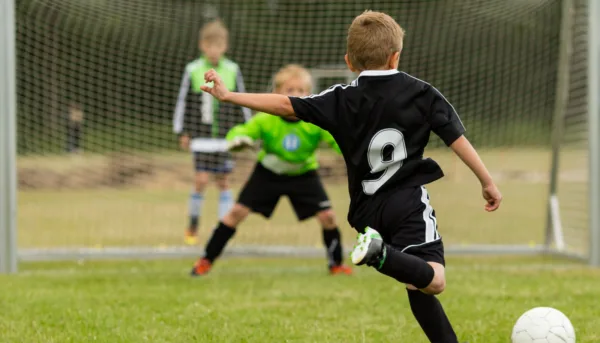
Sports can give boys a place to have fun, make friends, get better at something, and build relationships with adults who care about them. In 2023, one in four U.S. eighth- and tenth-grade boys reported often feeling lonely, amid a broader rise in time spent alone. At their best, sports give boys a place to build belonging, competence, and recognition through teammates and trusted coaches. Those experiences matter during childhood. They can also support boys’ health, connection to school, and preparation for happy and productive adult lives.
Growing concern about boys’ mental health, social connection, and engagement in school, along with signs of declining participation in sports, led the American Institute for Boys and Men and the Aspen Institute to examine boys’ experiences in sports. Drawing on a national youth survey, focus groups with boys who play, quit, or never played, and interviews with sports leaders, the report asks a broader question: Are the opportunities available to boys giving them what they want and need from sports?
What we found
- Friends and fun keep boys engaged. Boys value the chance to spend time with peers, develop skills, and challenge themselves. Among boys currently playing organized sports, half selected “playing with friends” and half selected “having fun” as favorite parts of the experience.
- Sports can feel high stakes. Some boys described fear of not being good enough, public criticism, high costs and chance of injury.
- There are too few ways to play. Competitive teams work well for many boys, but they leave fewer options for those who start sports or physically develop later, cannot afford outside programs, or want a more casual way to play with friends.
- Coaches shape the experience. Boys want coaches who know them as individuals and help them feel that they belong. Coach quality is also a factor in retention: current athletes rate bad coaching as their most common complaint. Coaches, in turn, need better preparation and support to respond to boys’ needs on and off the field.
- Boys weigh sports against other demands. Costs, schoolwork, jobs, the online world and other ways to spend time affect whether participation feels worthwhile.
What should change
- Offer more ways in. Schools and community partners should expand affordable clubs, intramurals, no-fee and no-cut programs, and recreational options alongside competitive teams. Boys should be able to try a sport without years of prior experience.
- Ask students what they want to play. Regular student-interest surveys can reveal demand that existing programs miss and help schools decide where to invest.
- Help schools respond to that demand. New sources of public funding can support programs, coaches, equipment, facilities, and transportation.
- Support coaches to support boys. Coach education should cover boys’ development, mental health, belonging, injury prevention and we should look towards role models like teacher-coaches who can support boys on and off the field.
- Make sports a place to grow. Schools and sports organizations should set sensible boundaries around filming and phone use, and connect boys’ interest in sports to learning, career exploration, and positive adult role models.
The aim is to give more boys access to sports experiences they enjoy—experiences that help them feel connected, capable, and supported as they grow.
Subscribe to our newsletter
Get the latest developments on the trends and issues facing boys and men.
Related Research

Health
Young men and cryptocurrency: What the evidence shows
David Sasaki and Diego Nunez review recent evidence on cryptocurrency trading, which has become a mainstream financial activity in the U.S. especially among young men.

Health
Is it inevitable that men die younger than women? Looking at evidence and policy solutions
Allen Downey analyzes life expectancy and cause-specific mortality data across the United States and other OECD countries from 2000 to 2023 to understand how much the life expectancy gap between men and women varies, which causes of death contribute most to it, and where policy might be most effective.

Health
Marijuana use among men hits new highs
Marijuana use is rising among U.S. men, especially ages 26–34, with higher daily use and cannabis use disorder rates than women.